Fast Delivery And Low MOQ With Money Back Guarantee...
Fast Delivery And Low MOQ With Money Back Guarantee...

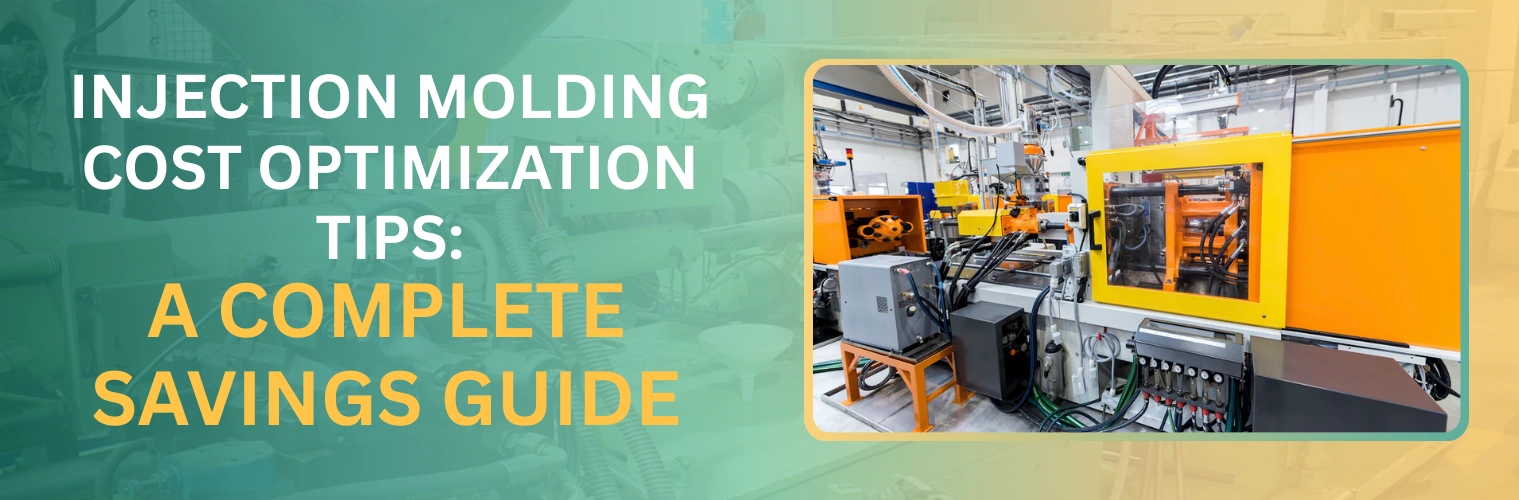
Injection Molding Cost Optimization Tips is one of the most widely used manufacturing methods for high-volume plastic parts. It provides consistency in speed, accuracy and quality, and with proper process optimization, cost-effective products can be manufactured.
Most cost factors come from material usage, mold complexity, machine time, and cycle efficiency. When designers understand these factors early, they can make smart decisions that reduce costs without compromising quality.
Correct planning ensures smoother manufacturing and consistent performance throughout the product lifecycle.
Material selection plays a major role in overall molding expense. Using unnecessarily high-grade materials increases cost without offering added value. Designers should evaluate durability, performance, and environmental needs before selecting material.
Cost-saving material strategies include:
Many manufacturers follow Injection Molding Cost Optimization Tips to ensure material selection aligns with budget and performance goals.
Complex part designs can significantly increase tooling and manufacturing costs. Simplifying geometry ensures easy mold flow, faster cycle times, and lower machining requirements.
Design simplification ideas:
A streamlined design not only reduces machining complexity but also extends mold life.
Uniform wall thickness is one of the most effective methods to reduce molding defects and minimize cost. Thick walls increase cooling time, cycle duration, and the risk of warpage.
Best practices include:
Uniform walls allow faster mold cooling and a predictable manufacturing cycle.
Cycle time directly affects cost per part. A shorter cycle means more manufacturing in less time, resulting in reduced energy consumption and greater output.
Ways to reduce cycle time:
Every second saved per cycle creates massive long-term savings, especially in high-volume manufacturing.
Tooling can account for a major portion of injection molding expenses. Reducing mold complexity ensures faster machining, lower maintenance, and improved durability.
Strategies to simplify tooling:
A simplified mold also reduces the risk of premature wear or tooling breakage.
Designers often use tight tolerances even when they are not needed. This increases machining difficulty and raises overall cost.
When deciding tolerances:
Proper tolerance planning can significantly lower waste and improve production speed.
Draft angles ensure the molded part ejects easily from the mold. Without drafts, parts may stick to the cavity, increasing cycle time and risking damage.
Draft angle tips:
Applying drafts correctly prevents stress marks and reduces ejection force.
Automation improves consistency and minimizes human error. While initial setup cost may be higher, long-term savings are substantial.
Examples of automation in molding:
Automation becomes essential for high-volume projects where accuracy is critical.
High scrap rate increases material waste and time loss. Designers should focus on mold flow, gating, and filling patterns to minimize defects.
Ways to reduce scrap:
Small improvements can reduce scrap and boost overall efficiency.
Cost optimization is essential for any injection molding project. When designers simplify geometry, reduce material use, improve wall consistency, and reduce cycle time, overall manufacturing becomes more efficient and profitable. Implementing smart Injection Molding Cost Optimization Tips helps companies enhance quality, reduce defects, and maximize ROI. With strategic planning and a strong understanding of manufacturing principles, businesses achieve reliable, budget-friendly manufacturing outcomes.
Need Help Reducing Your Injection Molding Cost?
Our experts can help you optimize designs, select the right materials, and lower manufacturing expenses.: +1(917)-993-9690 or info@plastic-injectionmolding.com

