Insert Molding vs Overmolding – What’s the Difference?
In modern manufacturing, the selection of the processing technique is crucial for simpler and functional products. At our company, we work closely with OEMs and industrial clients to ensure every project gets the most efficient and cost-effective solution.
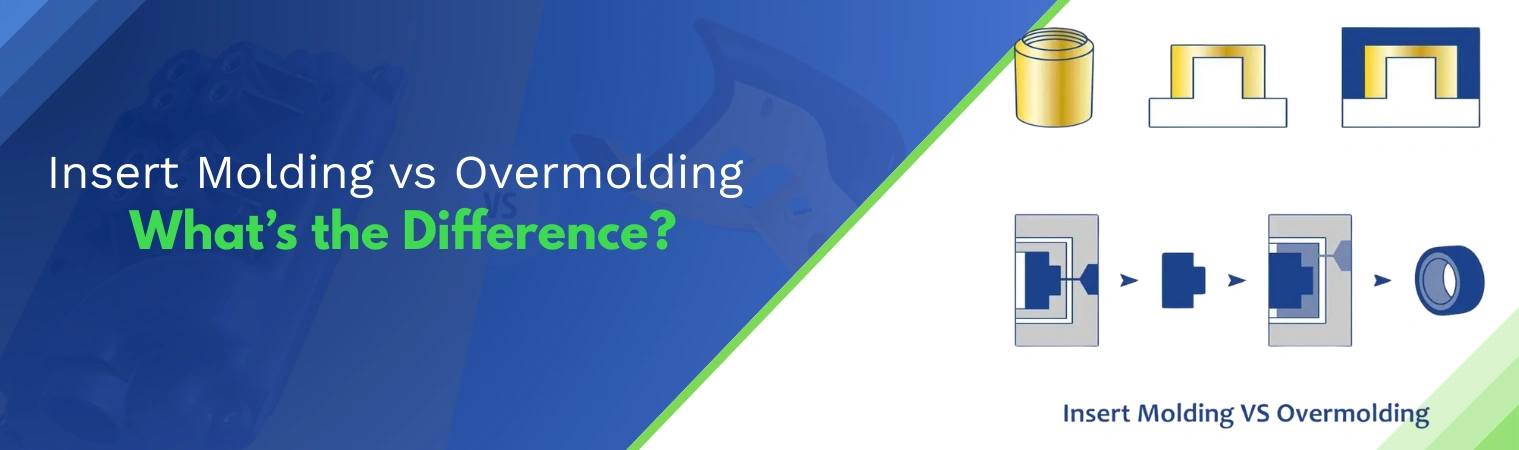
Insert molding and overmolding are often compared because both can make parts stronger and more durable—but they’re used for different reasons. To help manufacturers understand when to choose one over the other, we put together this practical insert molding guide. It breaks down real-world uses, the benefits of each method, and the key difference that sets insert molding and overmolding apart.
What Is Insert Molding?
Insert molding is essentially the molding of plastic around either a metal or previously made part. The insert can be anything, including aluminum and brass, stainless steel, or even another plastic piece. The whole point is to end up with one solid part where the insert is set right in.
From what we’ve seen, insert molding is especially useful when a part needs threaded inserts, reinforcement plates, electrical connectors, or tight-fitting metal features. It reduces the need for extra assembly steps and results in a strong and reliable part. The plastic is bonded directly with the insert, thereby providing a strong finished piece capable of performing well under even the toughest conditions.
What Is Overmolding?
Overmolding involves molding a second material over a first molded part to improve grip, comfort, insulation, or functionality. At our company, we use this technique for automotive components, consumer goods, electrical housings, and medical device handles.
The overmolding process allows us to combine a rigid base material with a soft, rubber-like outer layer that improves user experience. Many manufacturers prefer overmolding when they need shock absorption, color coding, protective barriers, or ergonomic enhancements.
Since the overmolding process blends multiple materials into one seamless part, it also minimizes assembly needs and improves long-term durability. For manufacturers focused on feel, safety, and user-friendly designs, overmolding is one of the most versatile solutions available.
Key Difference Between Insert and Overmolding
1. Purpose
The difference between insert and overmolding starts with the purpose of their application. Insert molding is employed to give a part extra strength by molding plastic around a metal or built-in insert. While overmolding focuses on the outside, making the product easier to hold, more comfortable to use, and better in everyday handling.
2. Materials Used
With insert molding, we combine plastic with a metal or plastic insert to make a strong internal base. The overmolding process uses two plastics or a mix of plastic and rubber to create a softer and more comfortable outer layer.
3. Primary Benefit
According to our insert molding guide, the biggest benefit of insert molding is its ability to create load-bearing, precise, and durable components. Overmolding provides a softer grip, added comfort, better handling, and surface protection.
4. Typical Applications
Insert molding is great for things like electrical connectors, threaded inserts, and gears—any part that needs strong support on the inside. Overmolding is usually used for hand tools, medical grips, or everyday products that need a soft, comfortable feel when you hold them.
5. Assembly Advantages
Insert molding reduces extra assembly steps by combining the insert and plastic into one strong part. The over molding process also cuts assembly time by adding functional layers in a single operation.
6. Overall Focus
The key difference between insert and overmolding comes down to focus: insert molding strengthens the inside, while overmolding improves the outside and enhances user experience.
Choosing the Right Technique
At our company, we always assess the end-use requirements to recommend the right approach. Insert molding is generally better when a part requires substantial internal support, tight alignment, or integrated metal components.
Conversely, overmolding is the better option when comfort, grip, or how something feels in hand takes precedence over the need for a more robust internal support structure and close-tolerance alignment. Understanding the difference between insert molding and overmolding helps manufacturers avoid headaches during production and get the best results possible.

Why Choose Plastic Injection Molds?
At Plastic Injection Molds, we are driven by core values that guide our business and define our commitment to our clients.

Expertise and Experience - With years of experience in the Plastic Injection Molds industries, we have the expertise to deliver custom-designed solutions that meet the most demanding requirements.
High-Quality Products - Our Plastic Injection Molds are made from high-quality materials, ensuring durability, clarity, and long-lasting performance.
Custom Solutions - We specialize in providing tailored Plastic Injection Molds solutions that meet the unique needs of our clients.
Exceptional Customer Service - We provide end-to-end support, from initial consultation to post-delivery assistance, ensuring our clients are delighted with the results.

Do you want to work with us to turn ideas into a reality for plastic molding projects? Call us at +1(647)294-5240 or send us an email at info@plastic-injectionmolds.com. We will work with you fast and easy for you to manufacture with confidence.