Silicone Molding Technical Data: What Every Engineer Should Know
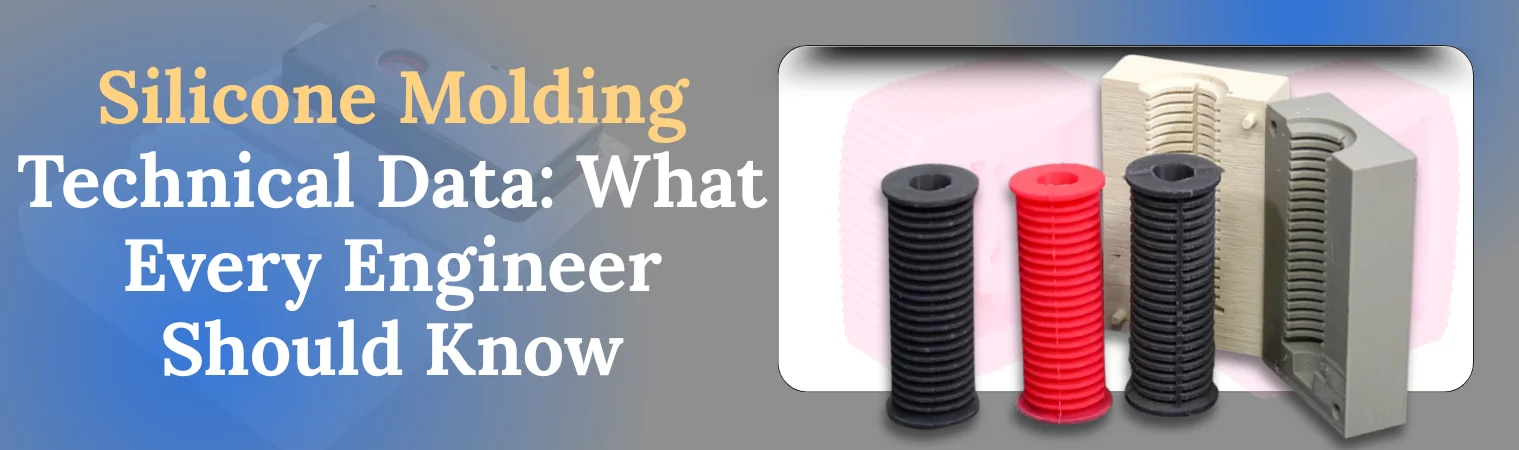
Understanding silicone molding technical data helps you choose the right material for industrial, medical, automotive, and even food-grade products. Designers and engineers depend on clear material details to create molds that work well, last long, and manufacture consistent parts. /p>
At RUBBER SILICONE MOLDS, this information helps to pick the right compounds and design molds that stay accurate and reliable. The sections below explain the most common questions about silicone molding in simple language, making it easier for manufacturers and product developers to make the right decisions.
What is the typical hardness (Shore A) range for silicone molding materials?
Silicone material, having a wide range of hardness, makes it usable for applications that might need very soft, flexible parts as well as for applications that need tougher, structural components. Most silicone molding materials fall within a Shore A range of 10 to 80, depending on the intended application:
Key materials include:
- 10–20 Shore A: Very soft silicone, ideal for cushioning parts, seals, delicate prototypes, and molds for fragile or intricate shapes.
- 30–40 Shore A: used for general gaskets, overmolding, and medical parts that need some flexibility.
- 50–60 Shore A: Suitable for automotive parts, industrial housings, and components requiring medium rigidity.
- 70–80 Shore A: Best for tough components that need high stability, strong load resistance, and minimal deformation.
Choosing the right hardness depends on how the part will behave under pressure, bending, or repeated use. Those silicones that are soft can bend easily, which makes it easy to remove them from molds, while hard silicones are used for extra support.
What are the temperature limits for silicone molds during curing and operation?
Silicone is well known for its excellent thermal stability, which makes it suitable for high-heat and cold environments. At the time of the process of curing, i.e., when the silicone sets into its final shape, the temperature depends on the type of silicone being used:
- Curing temperatures: Generally between 120°C and 200°C, depending on whether it is HTV (High-Temperature Vulcanizing) or LSR (Liquid Silicone Rubber).
- After curing, silicone is often heated again at 150°C to 230°C to make it stronger, more tear-resistant, and reduce any leftover volatile compounds. When in use, silicone can handle a wide range of temperatures:
- Continuous use: -50°C to 230°C
- Short-term exposure: Up to 260°C for special high-temperature grades
This wide temperature range makes silicone perfect for things like industrial ovens, car engine parts, electronics, food-grade molds, and other applications where heat resistance is important. Knowing these temperature ranges will help manufacturers avoid damage, or any deformation, or premature failure of the molds.
Which silicone grade is best for high-temperature molding applications?
Picking the right silicone grade is really important when parts have to deal with high heat. HTV (High-Temperature Vulcanizing) silicone handles heat well and stays strong, so it’s often used in cars, planes, and industrial equipment. LSR is the best choice for making detailed parts in large quantities and stays flexible even when hot. For challenging situations that involve fuels, oils, or chemicals, Fluorosilicone or FVMQ is the best choice because it resists both heat and chemicals. Overall, for long-term high-heat use, HTV silicone is usually the most reliable and trusted option.
Checking a silicone material’s data sheet helps you understand how it will behave in real use.
- Tensile strength of the material is about the strength of the material, and what is its stretch resistance.
- Elongation at break: data to know about how far the silicone material can stretch before it loses its flexibility and breaks.
- Tear strength is key to keeping thin or delicate parts from ripping.
- Compression set data shows whether the material keeps its shape or gets deformed after being pressed.
- Thermal stability, chemical resistance, and viscosity affect performance under heat, cold, oils, or cleaners.

Why Choose Rubber Silicone Molds
At Rubber Silicone Molds, we are driven by core values that guide our business and define our commitment to our clients.

Expertise and Experience - With years of experience in the Rubber Silicone Molds industries, we have the expertise to deliver custom-designed solutions that meet the most demanding requirements.
High-Quality Products - Our Bellows are made from high-quality materials, ensuring durability, clarity, and long-lasting performance.
Custom Solutions - We specialize in providing tailored Rubber Silicone Molds solutions that meet the unique needs of our clients.
Exceptional Customer Service - We provide end-to-end support, from initial consultation to post-delivery assistance, ensuring our clients are delighted with the results.

Conclusion
Silicone as a molding material is very flexible and strong. Its performance depends heavily on the technical properties of each grade. By looking at factors like hardness, temperature limits, stretch and tear strength, and other key factors, manufacturers can make strong, reliable parts for all kinds of industries. Using accurate material data and working with experts ensures molds and components are consistent, long-lasting, and ready for demanding applications. For projects requiring precise silicone mold design or material selection, experts like RUBBER SILICONE MOLDS ensure better performance, reduced maintenance, and reliable results every time.
Get the Right Advice from Our Experts
Call Rubber Silicone Molds at +1(646)-814-4070 or send a project under analysis to info@rubbersiliconemolds.com
Get In Touch
137-1140 Burnhamthorpe Rd. W | Mississauga ON L5C 0A3 | Canada
Popular Links
© RUBBER SILICONE MOLDS. All Rights Reserved.