

Fastest Samples Guaranteed... Delivered In As Low As 9 Days...
Fastest Samples Guaranteed... Delivered In As Low As 9 Days...
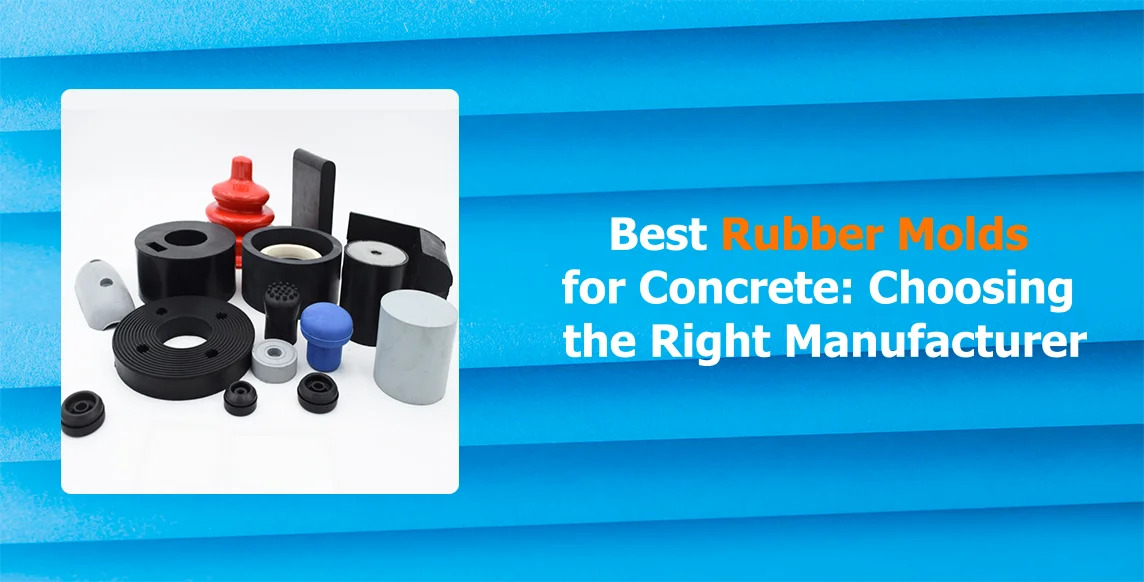
When it comes to creating intricate designs and precise replicas in concrete, the choice of mold material is crucial. Among the various options available, rubber molds stand out for their versatility and durability. In this article, we will delve into the world of rubber molds for concrete, focusing on the best types and how to select a reliable rubber molding company.

Rubber molds are widely used in the concrete industry due to their ability to capture fine details and withstand the rigors of repeated casting. These molds can be made from different types of rubber, with polyurethane and silicone being the most common. Each has its advantages and disadvantages, which we will explore in detail.
Polyurethane rubber molds are highly recommended for concrete casting due to their durability and cost-effectiveness. They offer a wide range of hardness options, making them suitable for various applications, from delicate designs to robust structures like concrete pavers and countertops. One of the significant advantages of polyurethane molds is their ability to produce vivid color finishes in concrete, which is often muted when using silicone molds.
However, polyurethane molds typically require the use of release agents to ensure easy demolding of the concrete. This can add an extra step to the casting process but is essential for preventing the concrete from sticking to the mold.
Silicone rubber molds, particularly platinum silicone, are known for their excellent release properties, often eliminating the need for release agents. This makes them convenient for projects where ease of use is a priority. However, silicone molds are generally more expensive than polyurethane and may lead to efflorescence, a condition where salt deposits form on the surface of the concrete, affecting its appearance.
Selecting a reliable rubber molding company is essential for obtaining high-quality molds that meet your specific needs. Here are some factors to consider:
Several companies stand out in the rubber molding industry:
When selecting rubber concrete molds, consider the following:
Silicon molds offer excellent release properties but may require more material due to their density compared to polyurethane. They are ideal for projects where minimal post-processing is desired.
Choosing the right rubber molds for concrete is a critical step in achieving high-quality results in concrete casting. By understanding the differences between polyurethane and silicone molds and selecting a reputable custom rubber molds, you can ensure that your projects are both aesthetically pleasing and durable. Whether you opt for polyurethane or silicone, the key is finding a manufacturer that can provide customized solutions tailored to your needs.
At Rubber Molded Products, we understand the importance of precision and quality in rubber molding. Our team is dedicated to providing top-notch rubber molding manufacturers services, ensuring that every product meets the highest standards. Whether you need customized rubber parts or expert advice on choosing the right mold material, we are here to help. Contact us today at +1(647) 294-5240 or email us at info@rubber-moldedproducts.com to explore how we can support your next project. With our commitment to customer satisfaction and quality, you can trust us to deliver the best solutions for your concrete casting needs.